Comprehensive Guide to Managing and Minimizing Plastic Waste
Plastic has become both integral to modern life and a major environmental concern. As the world grapples with the consequences of plastic pollution, understanding how to effectively manage and reduce plastic waste is crucial for a healthier planet. This comprehensive guide delves into the causes, impacts, and actionable strategies for managing and minimizing plastic waste in our daily lives and beyond.
Understanding Plastic Waste: The Global Challenge
Every year, millions of tons of plastic waste enter landfills and natural environments. Single-use plastics, packaging materials, microplastics, and industrial byproducts collectively contribute to a growing crisis that affects ecosystems, wildlife, and human health. But before we explore solutions, it's essential to root our understanding in the nature of plastic waste and the scale of the problem.
What Is Plastic Waste?
Plastic waste refers to discarded plastic materials ranging from packaging, containers, and bottles to straws, bags, and utensils. Unlike organic materials, plastics often take hundreds of years to decompose, breaking down into smaller fragments known as microplastics, which further contaminate soils and waterways.
Main Sources of Plastic Pollution
- Single-Use Plastics: Items designed for one-time use such as straws, bags, and cutlery.
- Packaging Materials: Includes plastic wrappers, bottles, and containers.
- Industrial Waste: Manufacturing residues and by-products.
- Microplastics: Tiny particles from products like exfoliants, synthetic clothing, and tire wear.
- Improper Waste Management: Inefficient collection, recycling, and disposal practices.
The Environmental and Health Impacts of Plastic Waste
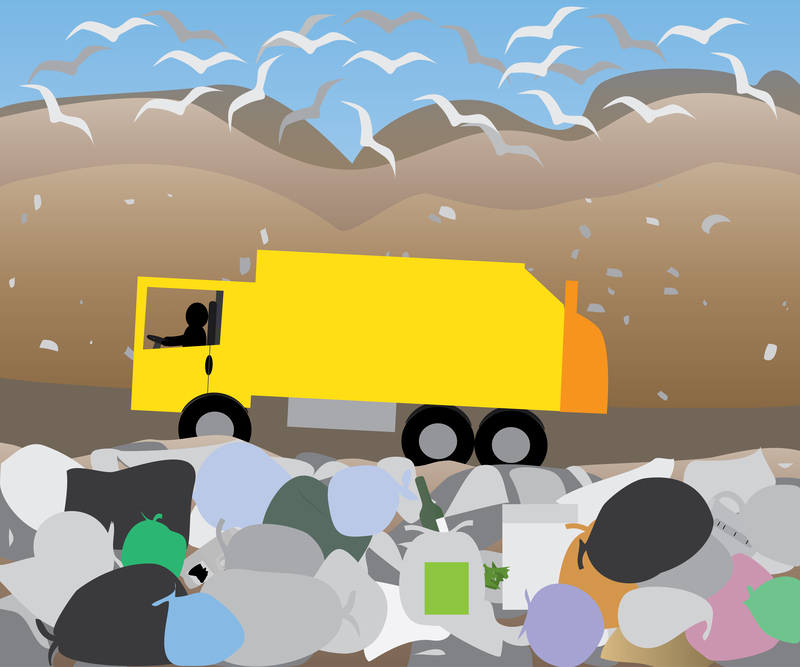
Plastic pollution severely harms our environment. Marine animals ingest or entangle in plastic debris, while toxic chemicals leach into soil and water supplies, compromising food safety and human health. Further, microplastics are now found in some foods, drinking water, and even in the atmosphere, indicating the urgent need to manage and reduce plastic waste.
Effective Strategies for Managing Plastic Waste
Managing plastic waste effectively requires a combination of individual, community, and systemic approaches. Below are proven strategies and tips for both limiting plastic generation and handling existing waste responsibly.
1. Embracing the 5 R's: Refuse, Reduce, Reuse, Repurpose, and Recycle
- Refuse: Say no to unnecessary plastics, especially single-use items.
- Reduce: Opt for products with minimal packaging and consider bulk purchases.
- Reuse: Bring your own bags, bottles, and containers when shopping or dining out.
- Repurpose: Find creative ways to give discarded plastics a second life.
- Recycle: Properly separate and clean plastic waste to improve recycling rates.
2. Optimizing Plastics Recycling
Efficient recycling is one of the most crucial steps in minimizing plastic waste. Here's how you can maximize the effectiveness of recycling in your home and community:
- Know Your Plastics: Plastics are labeled 1 through 7; check which ones your local facility accepts.
- Clean Before Recycling: Rinse containers to remove food residues that can contaminate loads.
- Do Not Bag Recyclables: Place plastics loose in the recycling bin to avoid sorting issues.
- Stay Updated: Recycling rules can change, so keep informed about your municipality's program.
3. Supporting Circular Economy Initiatives
The circular economy for plastics focuses on keeping materials in-use for as long as possible, extracting maximum value before safely returning them to nature or manufacturing loops. Supporting brands and policies invested in circularity helps decrease new plastic production and waste.
4. Participating in Clean-up Events
Engage in community clean-ups at beaches, parks, and waterways. Not only does this directly remove plastic waste from nature, but it also raises awareness and builds community resilience against pollution.
5. Choosing Sustainable Alternatives
Transition to plastic-free alternatives whenever possible. Glass, metal, cloth, and biodegradable materials often provide durable, reusable, and eco-friendly substitutes.
Ways to Minimize Plastic Waste at Home
Home is where impactful habits begin. Minimizing plastic waste at home doesn't require drastic changes--just consistent small steps:
- Switch to Reusable Shopping Bags: Avoid plastic bags by using cloth, jute, or sturdier reusable alternatives.
- Replace Bottled Water: Use refillable stainless steel or glass bottles instead of single-use plastic.
- Avoid Plastic-Wrapped Produce: Choose loose veggies or shop at markets that allow reusable bags.
- Bulk Buy: Purchase grains, legumes, and cereals in bulk to reduce packaging waste.
- Homemade Cleaning Products: Make your own cleaners in glass bottles to sidestep plastic packaging.
- Meal Prep: Prepare snacks and meals in advance to avoid relying on takeout containers and plastic-wrapped goods.
Reducing Plastic Waste in the Kitchen
- Store Food in Glass Containers: They're durable, safe, and don't retain odors like plastics.
- Compost Organic Waste: Less plastic trash means more space for recycling and composting.
- Skip Single-Use Cutlery and Plates: Opt for dishes made from metal, wood, or bamboo.
In the Bathroom
- Buy Bar Soaps: Ditch shower gels in plastic bottles for packaging-free bar options.
- Use Wooden Toothbrushes: Bamboo and wood are compostable alternatives to plastic brushes.
- Make Your Own Beauty Products: Store homemade scrubs and lotions in glass jars.
Minimizing Plastic Waste Outside the Home
Plastic waste management extends beyond the household. Being mindful when commuting, at work, or socializing can make a collective difference.
- Bring Your Own: Carry a reusable coffee cup, utensils, and food container for meals on the go.
- Buy Less, Buy Better: Choose durable, long-lasting goods over disposable plastic items, from office supplies to electronics.
- Support Green Businesses: Choose retailers, cafes, and restaurants with strong plastic reduction policies.
- Avoid Excess Packaging: Suggest package-free initiatives in your office and local stores.
Corporate and Community Approaches to Managing Plastic Waste
Systematic change requires corporate responsibility and community engagement. Here's how organizations can contribute to effective plastic waste management:
Implementing Corporate Sustainability Programs
- Eco-Friendly Packaging: Invest in compostable, recyclable, or reusable packaging solutions.
- Waste Audits: Regularly analyze plastic usage and identify reduction opportunities.
- Take-Back Programs: Launch recycling or re-use buyback programs for plastic goods.
- Employee Training: Educate staff about plastic reduction and sustainable alternatives.
- Supplier Collaboration: Encourage plastic waste minimization across the supply chain.
Community Initiatives
- Public Awareness Campaigns: Educate about the environmental harms of plastic waste.
- Community Recycling Centers: Make recycling accessible and convenient.
- Zero Waste Events: Host events where plastic is minimized or eliminated.
- Legislation: Advocate for policies banning single-use plastics and promoting alternatives.
Emerging Technologies in Plastic Waste Management
Science and technology play a vital role in tackling plastic waste pollution. Advanced recycling processes are helping to close the loop:
- Chemical Recycling: Breaks plastics down to their basic molecules for reuse in new products.
- Biodegradable Plastics: Innovations in materials science are producing plastics that break down safely in the environment.
- Catalytic Conversion: New methods convert plastic waste into usable fuels or chemicals.
- AI and Robotics: Automated sorting at recycling plants increases efficiency and purity rates.
Reducing Plastic Waste in Developing Countries
Developing economies often face unique plastic waste challenges due to infrastructure gaps and rising plastic consumption. Solutions include:
- Creating Incentives: Local entrepreneurs and waste pickers can profit from collecting and selling recyclables.
- Investing in Infrastructure: Governments and NGOs can fund waste management, recycling facilities, and eco-education.
- Innovative Designs: Use plastics in durable infrastructure, like paving roads, to repurpose collected waste.

The Future of Plastic Waste Reduction
As awareness grows, so does the potential for positive change. It's clear that managing and minimizing plastic waste requires collective action--by governments, companies, communities, and individuals alike. With ongoing innovation and policy updates, a world with significantly less plastic pollution is possible.
Summary: Taking Action Against Plastic Waste
- Refuse, reduce, reuse, and recycle: cornerstone habits for sustainable living.
- Stay informed and advocate: Follow updates on waste management policies and support legislative change.
- Encourage innovation: Support companies using recycled or biodegradable materials.
- Lead by example: Your actions inspire others in your home, workplace, and community.
Comprehensive plastic waste management is achievable with education, technology, and a collective commitment to a cleaner, greener future. Start with small changes and support larger initiatives--together, we can minimize our plastic footprint for generations to come.